
Postdoc programme looking for future leaders in life science
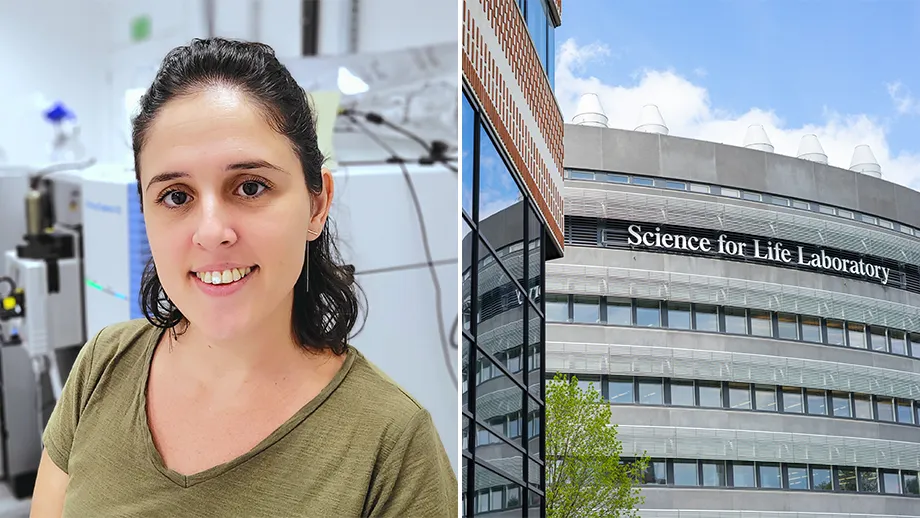
Patricia Sosa Acosta from Cuba is one of the first batch of postdocs in the SciLifeLab PULSE programme. She came to Stockholm from Brazil to study neurological diseases.
“What differentiates this programme from another postdoc position is the focus on leadership skills, communication and networking,” Acosta says.
The Cuban researchers came to Stockholm in September. Previously, Acosta worked as a postdoc at the Federal University of Rio de Janeiro in Brazil. She took a special interest in viruses transmitted by arthropods like mosquitoes and ticks. These viruses are called arboviruses and cause diseases like Dengue, Zika, Chikungunya, and Oropouche. Some of these diseases can cause brain neuroinflammation, brain malformation in fetuses, and the autoimmune disease Guillain-Barré syndrome.
“My research is about identifying biomarkers for the early prognosis of neurological complications caused by viral infections,” Acosta says.
Tropical diseases caused by arboviruses cause massive problems, especially in rural areas where it’s hard to get a diagnosis on time. Acosta’s project combines clinical cohorts and advanced data-integration methods to link proteomic signatures with clinical outcomes and to improve diagnostic readiness for neurotropic emerging viruses.
“In the future, we hope to develop some kind of test that could be employed to find these neurological diseases. Because in some rural areas of these countries, there is no advanced technology to do the diagnosis of these diseases. And this is a huge problem,” Acosta says.
Long-term career sustainability
Acosta decided to leave Brazil and apply for a position in Stockholm after reading about the SciLifeLab PULSE programme on LinkedIn. One of its goals was to prepare postdocs with necessary skills for long-term career sustainability.
“I found that interesting, because it's not just focused on research, with is of course the most important part for scientists. But in the early stages of your career, it is quite important to develop other skills as well,” Acosta says.
In the first round, 21 applicants were accepted to the PULSE programme. Acosta says that she and her new colleagues from all over the world have been warmly welcomed, with plenty of activities focusing on teambuilding and inclusion.
“Well, for me it was quite a shock because here everything is so well organized. Which is good,” Acosta says. “The weather is also nice. I like the cold.”
Jon Lindhe ( jlindhe@kth.se )