
Targeted initiatives improve quality in education, research and the work environment
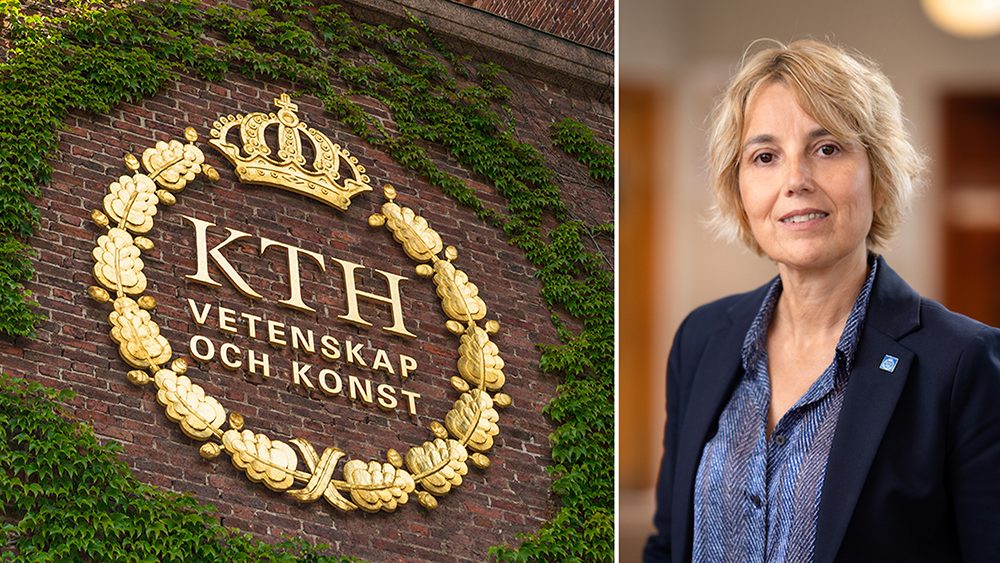
The reform agenda for the SCI School in 2026 aims to strengthen the quality of education, improve the conditions for research and develop a sustainable and professional academic environment. The work builds on initiatives started during the previous year, and 2026 is characterised by a number of specific measures designed to create clear impact in the operations.
Hello Sandra Di Rocco, Head of the School of Engineering Sciences, SCI. What will be the main focus of the reform agenda in the coming year?
"We are concentrating our work on three specific initiatives that we see as the most strategically important for the continued development of the school:
- The first regards raising AI competence among both teachers and students. Rapid technological development requires that teaching evolves and that teachers engage in ongoing competence development. The work begins with three day workshops at each department.
- The second initiative concerns the work with Makerspace, which is a central investment to strengthen project based and experimental learning within the engineering programmes. During 2026 we will finalise both the organisation and the structure for use ahead of the opening in January 2027.
- The third initiative concerns inclusion and academic culture, with workshops for doctoral students and postdocs at all departments, as well as a joint faculty workshop for SCI. The school is also launching a new mentoring programme to strengthen the professional development of doctoral students.
In addition to these initiatives, the school will continue to work with the implementation of the FoFU model, research infrastructure, recruitment processes and reducing administrative burden. These elements act as supporting components rather than the main focus for the year."
What does the school aim to achieve in its activities?
"In 2026 we want to achieve a clear increase in quality in education, research and the work environment. The AI initiative will strengthen both the quality of teaching and the future competitiveness of students by providing teachers and students with a shared, modern competence base. The work with Makerspace will deepen the experimental and creative dimension of the engineering programmes and give students access to a learning environment that connects theory and practice even more effectively. The initiatives relating to inclusion and academic culture will further develop the work environment and strengthen cohesion, professionalism and the long term sustainability of the school’s academic community."
Why are these particular changes the most important to make, and how will you achieve them?
"We prioritise these three specific initiatives because they address areas where the need for development is greatest. The AI component is necessary to meet changing demands on education and research. Makerspace strengthens the link between theory and practice in the engineering programmes and supports students’ capacity for innovation. Work on academic culture is crucial for creating a sustainable, professional and inclusive environment for doctoral students, postdocs and teachers."
"The school carries out this work through clearly defined activities during the year: the departments organise AI workshops, we establish Makerspace with clear structures for operation and educational use, and workshops together with a mentoring programme strengthen the academic culture. In parallel, we are developing processes within FoFU, infrastructure, recruitment and administration, which ensures that the changes are implemented in an effective and long term sustainable way."