KTH´s new climate goals show the way forward
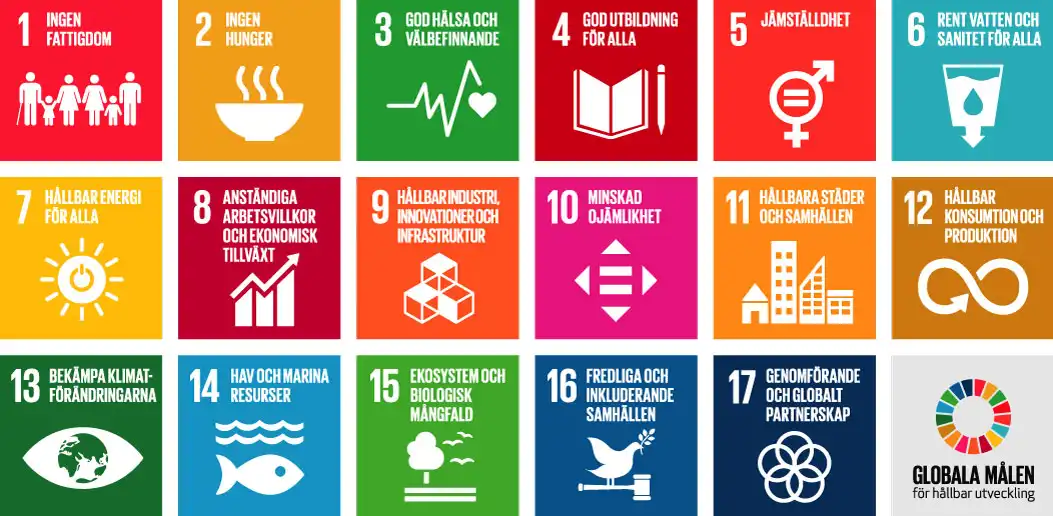
KTH has adopted new sustainability and climate goals for the period 2026–2030, with the aim of achieving net zero greenhouse gas emissions by 2045. The policy document, which includes an action plan, sets out KTH's long-term efforts to contribute to safe, fair, and sustainable social development.
The new goals emphasise that sustainable development should permeate all of KTH's activities, including education, research, organisation, working methods, and resource use.
"Our previous sustainability goals are being further refined, and one of the measures is to strengthen ongoing monitoring in our quality systems for education and research. Sustainability work will also be integrated into ongoing development processes at KTH, such as the local optimisation of operational support, with a focus on circularity and reuse,' says Kristina von Oelreich, KTH's Sustainability Manager.
The skills for transition
All students who graduate will possess the skills to spearhead the transition, including an integrated understanding of net zero emissions, climate justice and climate resilience. In terms of research, KTH will reinforce its position as a leading technical university by investing in interdisciplinary research, innovation, and collaboration with societal stakeholders.
'This requires special management, as sustainable development must permeate everything we do in research, education and collaboration,' says Anders Söderholm, President.
The most concrete climate goals can be found in the area of efficient and sustainable resource use. KTH aims to reduce its total climate impact by 60 per cent by 2030 compared with previous levels. This includes reducing emissions from business travel significantly, improving the energy efficiency of buildings, ensuring sustainable procurement, and promoting more circular flows for materials and waste.
Compasses for entire KTH
At the same time, KTH is prioritising biodiversity, with plans to develop the campus to focus on ecosystem services and long-term nature conservation. The KTH Sustainability Office coordinates follow-up and reporting on the sustainability goals and action plan, integrating them into the university's environmental management system.
On 16 December, the President also approved KTH's new gender equality goals through the gender equality, diversity and equal opportunities policy for 2026–2030.
"Having both areas as compasses for our entire operation is incredibly important," says Anders Söderholm.
Text: Jill Klackenberg