
New steps toward a fairer career system
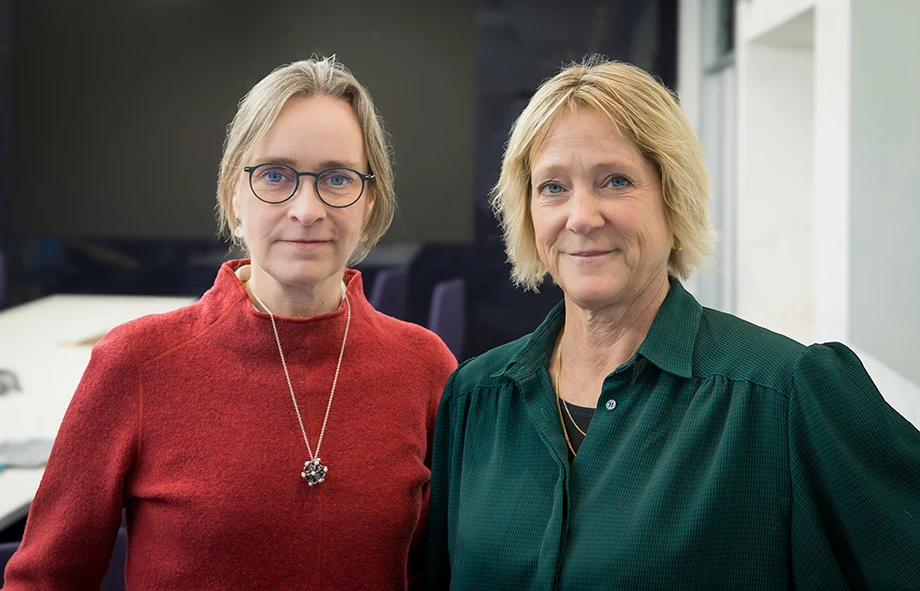
KTH's work on developing its career system is now taking the next step. A new report contains proposals that will make the system clearer and fairer and strengthen KTH as an attractive workplace.
The proposals aim to clarify requirements and assessments. The focus is on actual competence and collegial responsibility, while the system should support quality and long-term development.
The report is based on several investigations that have been discussed at various levels and with different groups of colleagues and managers. Comments have been compiled to provide broad collegial support. A formal referral will take place in the spring.
The current career system is perceived as unclear and difficult to interpret, with a strong emphasis on quantitative measures such as publications, doctoral students and external funding. In 2025, the working group, which represents KTH's schools, the student union and faculty management, has therefore developed proposals on how the system can be modernized.
“A kind of tightening up”
One of the main points is to make a clearer distinction between eligibility requirements and assessment criteria. The assessment should focus more on competence and less on listing merits.
“You can see it as a kind of tightening up. It is not enough to have ticked off certain things; you must have achieved the right qualifications. The focus is shifting from the number of publications or teaching hours to what actual ability you have in what you do,” says Sofia Ritzén, Dean of faculty and chair of the working group.
Three eligibility requirements are proposed: scientific proficiency, pedagogical proficiency and academic citizenship. In the current employment regulations, there is a group of qualifications under the heading of additional requirements, which are now being clarified, tightened and defined within the eligibility requirement of academic citizenship.
“At the same time, we are not reducing the requirements for scientific or pedagogical qualifications – on the contrary, in some respects. So overall, we have higher requirements for the teachers we recruit and promote,” says Ritzén.
Work for the common good
Academic citizenship includes, among other things, equal leadership, collaboration with the surrounding community, and work with the work environment and equal treatment. The basic idea is that no one should be promoted without actively contributing to the joint academic activities.
“We need teachers who also take responsibility for the development of the university, who take roles in committees, councils and other collegial bodies that work for the common good at KTH. This requires that such qualifications be developed, and the tasks should also be meritorious,” she says.
The progression in the career ladder, from assistant professor to professor, should also be clearer so that it is clear what is expected at each level.
“Transparency and trust in the career system are important. Those who are here or who come here should feel secure and know what applies to employment and promotion,” says Nina Wormbs, Vice Dean of faculty.
The report has been submitted to the President, and work will continue during the spring with anchoring, internal referrals and investigation. The goal is for the University Board to decide on new employment regulations in June. When the new employment regulations will come into effect it has not yet been determined.
Text: Christer Gummeson ( gummeson@kth.se )