The agenda for change has been refined

KTH is entering the 2026–2028 period with a reform agenda that is being refined in several areas.
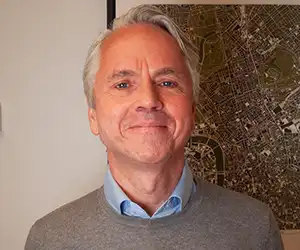
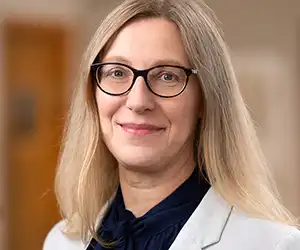
"The focus remains on the same areas as last year, but they are being adjusted slightly and evolving," says Anders Söderholm, President at KTH, about the new operational plan due to take effect on 1 January 2026.
Work on modernising the range of courses on offer is intensifying, with the aim of better meeting the demands of the future labour market and society for sustainable development.
"'We have a lot of background information — now we need to have the more difficult discussions about what the future course portfolio should look like," says Anders Söderholm.
The first three years of the Masters of Science in Engineering will continue to provide a solid foundation in the subject, while the master's programmes will become more specialised and attract international students. At the same time, similar programmes are being reviewed to identify synergies and avoid overlap. A more comprehensive range of lifelong learning courses is also being developed, particularly in areas where there is demand for business-related skills.
Competitive research
The organisation and financing of research are changing in order to produce work that can compete on the international stage and have a significant impact. A new financing model for research infrastructure is being introduced, while strategic research initiatives are facilitating the concentration of efforts in priority areas.
"This is absolutely crucial to enable strategic recruitment and strengthen scientific excellence," Söderholm says.
KTH is also continuing its work on establishing an attractive, long-term career system. The proposals currently being prepared will result in a new employment system by 2026.
Staff and students have now completed their move to the new campus, which will be fully finished next year. In parallel, KTH's campus environments are developing. Following the consolidation at Campus Valhallavägen, Flemingsberg and Solna, the focus is now on specialised maker environments and a new campus plan.
Opportunities and challenges
"Flemingsberg is our campus outside the city centre, and we are currently reviewing how it can be developed to its full potential. 'It is an important part of our identity, not least in terms of broader collaboration in medical technology and recruitment, among other things," Söderholm says.
Continued development of operational support is another item on the joint reform agenda that will make KTH more robust, efficient and sustainable, providing stronger support structures and clearer direction for education, research and collaboration.
"While 2026 will undoubtedly present challenges, it will also present significant opportunities, including the commencement of preparations for our 200th anniversary celebrations in 2027. I therefore look forward to finalising the plans for 2026 over the coming year in collaboration with staff and students alike," Söderholm says.
Text: Jill Klackenberg (
jillk@kth.se
)
Photo: Mikael Sjöberg